

Art, especially painting, has always been a powerful medium for storytelling, cultural preservation, and social commentary. In Nigeria, painting is not just an aesthetic pursuit but a reflection of the nation’s diverse histories, identities, and aspirations. From traditional motifs to contemporary expressions, painting has profoundly impacted Nigerian communities in multiple ways which are
- Preserving History and Cultural Identity
- Fostering Social Awareness and Dialogue
- Economic Empowerment and Community Development
- Enhancing National and Global Recognition
- Inspiring Future Generations
I’ll be sharing all of this with you in the post. Let’s go!
Preserving History and Cultural Identity
Nigerian paintings serve as visual archives of the country’s rich and complex history. Artists often depict significant historical events, traditional ceremonies, and everyday life, preserving stories that might otherwise be lost. Through symbolic imagery and vibrant colors, paintings communicate the values, beliefs, and legacies of various ethnic groups such as the Yoruba, Igbo, Hausa, and others.
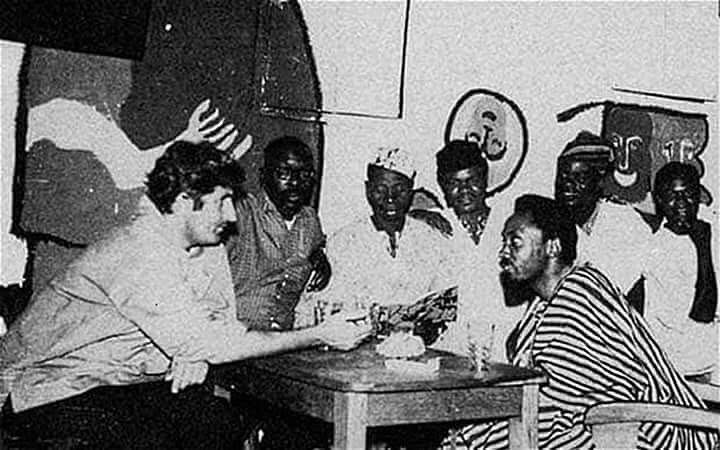
One of the most notable historical movements that contributed to this cultural preservation was the Mbari Club in Ibadan during the 1960s. This creative hub brought together artists, writers, and intellectuals, sparking a cultural revival in post-independence Nigeria. Its offshoot, Mbari Mbayo in Osogbo, became a renowned training ground for artists like Twin Seven-Seven and Jimoh Buraimoh, who later mentored new generations. This legacy helped sustain a creative ecosystem in Osogbo, where traditional Yoruba motifs and stories continue to be celebrated through painting.
In Anambra State, mural arts have become a powerful tool for storytelling and community pride. Murals at sites like Bridge-Head Onitsha and Nibo vividly depict local history, folklore, and resilience. These community-driven projects engage both artists and residents in their creation, fostering unity and beautifying urban spaces. Though sometimes challenged by maintenance issues, these murals stand as living testaments to the collective memory and identity of the people.

Fostering Social Awareness and Dialogue
Painting in Nigeria has also been a tool for social critique and awareness. Many Nigerian artists use their canvases to address pressing social issues such as corruption, inequality, gender roles, and political instability. By bringing these topics into public discourse through art, painters encourage reflection and dialogue within communities.
A compelling example is the Makoko Floating School project in Lagos, which combines art and architecture to address social challenges faced by the waterfront community. This initiative serves not only as a community center but also as a symbol of innovation and resilience, inspiring pride and hope among residents.
Artists like Muraina Oyelami, who emerged from the Osogbo workshops, often share personal stories of how art transformed their lives—providing livelihoods, global recognition, and a platform to speak on social issues. Such narratives highlight the power of painting to reflect and influence societal change.

Economic Empowerment and Community Development
The art industry, including painting, has become an important source of livelihood for many Nigerians. Artists, galleries, and cultural festivals create economic opportunities that empower individuals and communities. Through exhibitions and sales, painters gain recognition and financial independence, which can uplift entire communities.
Events like ART X Lagos and the Lagos Biennial have positioned Lagos as a major art center in Africa, attracting thousands of visitors annually and connecting local artists to global networks. These platforms not only boost artists’ careers but also stimulate the local economy by attracting tourism and investment.
Moreover, art centers and workshops often serve as hubs for creative education, skill development, and cultural exchange, fostering community cohesion and youth engagement. For instance, the Oshogbo art workshops continue to mentor young artists, ensuring the transmission of skills and cultural knowledge to future generations.
Enhancing National and Global Recognition
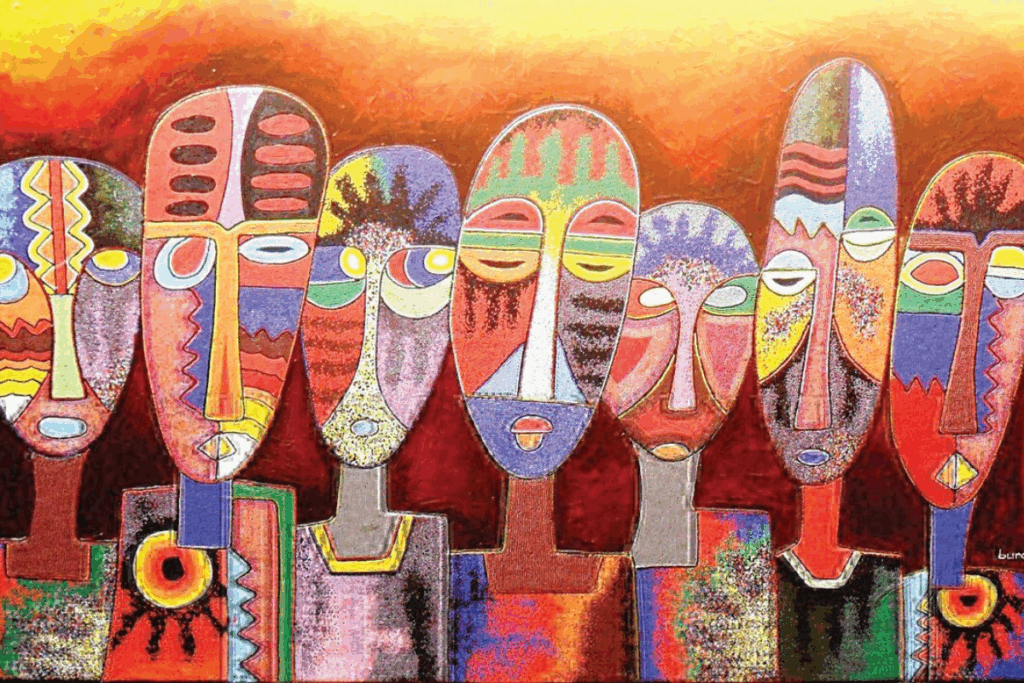
Nigerian painters have gained international acclaim, showcasing the country’s cultural wealth on the global stage. This recognition not only boosts national pride but also attracts tourism and foreign investment. Nigerian art, with its unique blend of tradition and modernity, challenges stereotypes and broadens global understanding of African cultures.
The growing popularity of Nigerian art fairs and exhibitions underscores this trend. ART X Lagos, for example, draws thousands of visitors each year, including international collectors and critics, spotlighting Nigerian painters and elevating their works to global audiences.
Inspiring Future Generations
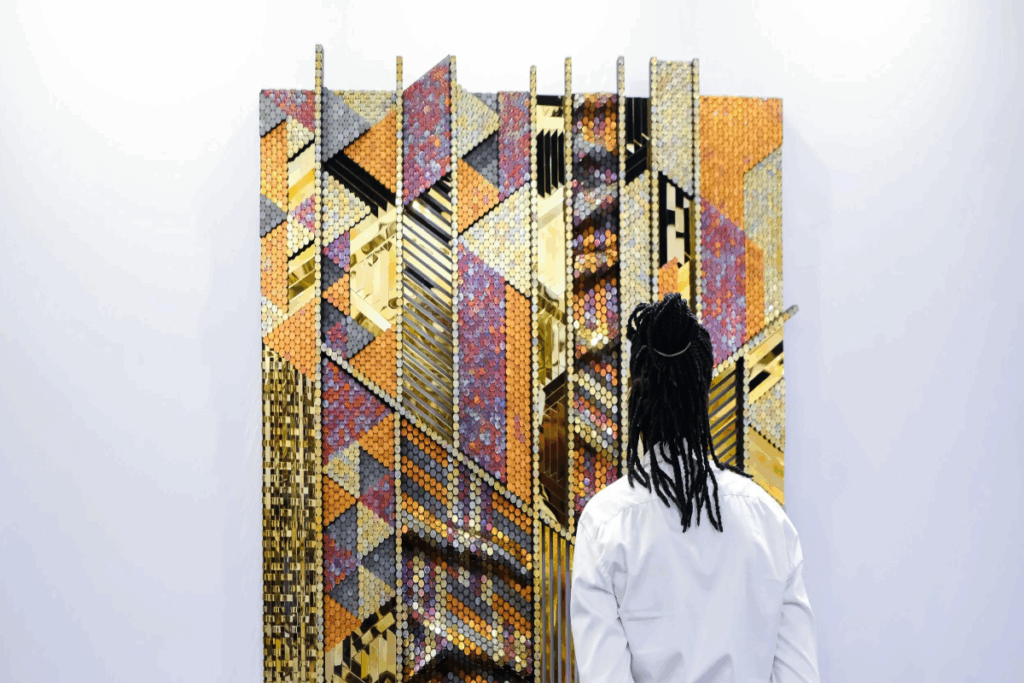
Perhaps one of the most enduring impacts of painting in Nigerian communities is its ability to inspire. Art encourages creativity, critical thinking, and emotional expression—essential skills for personal and societal growth. By celebrating Nigerian stories and legacies through painting, artists motivate young people to explore their identities and contribute positively to their communities.
In Anambra, mural artists often share that their work is deeply inspired by personal experiences and community stories, weaving collective memory into public spaces and fostering a sense of belonging. These stories not only beautify neighborhoods but also instill pride and hope in future generations.

Conclusion
Painting in Nigeria is much more than an artistic endeavor; it is a dynamic force that preserves history, fosters social dialogue, empowers communities economically, and projects Nigerian culture onto the world stage. From the legacy of the Mbari Club and Oshogbo workshops to vibrant murals in Anambra and the international acclaim of Lagos’s art fairs, painting continues to shape and uplift Nigerian communities—one brushstroke at a time.
As Nigerian painters continue to innovate and tell their stories, their art remains a vital thread in the fabric of the nation’s identity and development, inspiring generations to come.
Source of inspiration: Research gate
